A Detailed Look Into Restoring Your Piano’s Strings
Piano strings are the heart of any piano, producing the sound that captivates audiences. Over time, these strings can lose their tone and vibrancy due to age or environmental factors. Understanding the steps involved in a professional piano restringing process is essential for anyone looking to restore their instrument’s original sound quality. This article will guide you through each step, ensuring your piano receives the care it deserves.
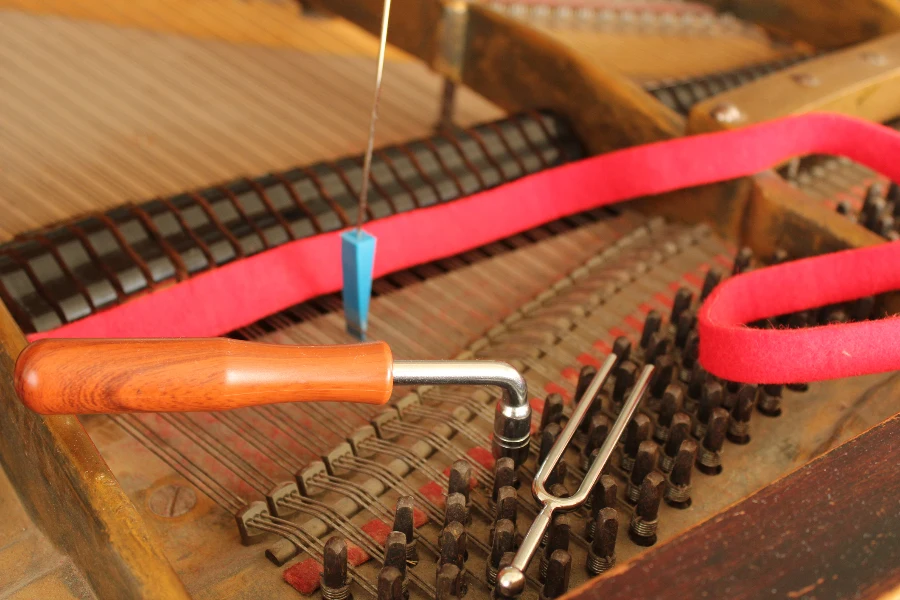
Preparing the Piano for String Replacement
The first step in the process is preparation. The technician examines the piano’s current condition, focusing on the strings and overall structure. They ensure that the frame is stable enough to handle new strings. During this stage, they also check for any damage or wear that could affect the restringing process.
Selecting New Strings for Optimal Sound
Choosing the right strings is crucial. Technicians must select strings that match the original specifications of the piano. This involves considering factors like wire gauge and material type. Proper selection ensures that the piano maintains its unique sound character after restringing.
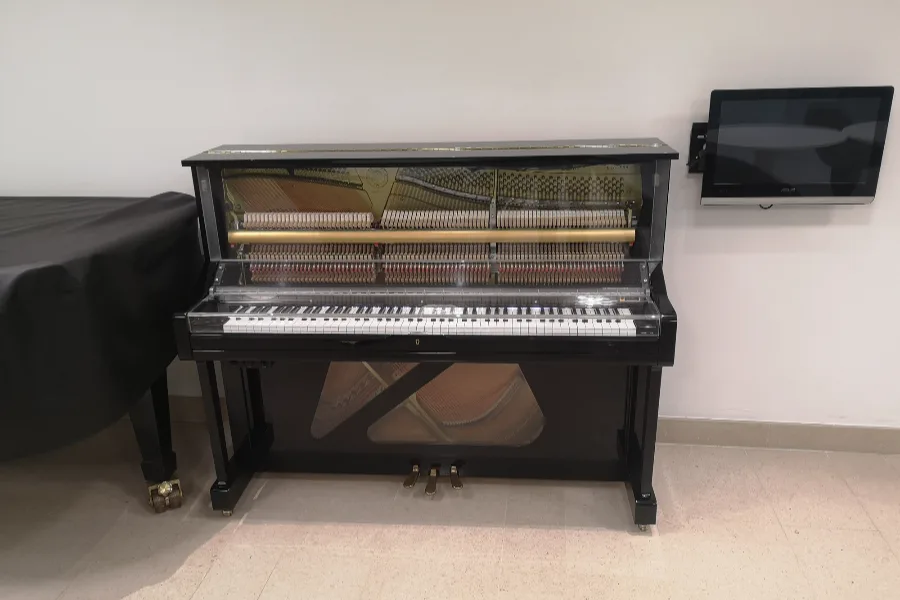
Removing Old Strings Carefully
Next, the old strings are removed with precision and care. This part of the restringing process requires skill to avoid damaging the piano’s delicate parts. Each string is loosened and detached systematically, ensuring that no undue stress is placed on the piano’s frame.
Installing New Strings Methodically
With the old strings removed, technicians begin installing new ones. The process involves threading each string through its designated hole and securing it to tuning pins. Proper tension is applied gradually to prevent uneven stress distribution across the piano.
Fine-Tuning for Perfect Pitch
After installation, it’s time to fine-tune the piano. Each string is adjusted for pitch accuracy using specialized tools. This ensures that every note rings true, allowing for harmonious playability across all octaves.
Final Adjustments and Quality Check
The final step includes making necessary adjustments to ensure tonal balance across the keyboard. Technicians conduct a thorough quality check, playing different pieces to confirm that the piano sounds as it should. Any minor tweaks needed are performed during this phase to achieve optimal sound quality.
- Examine piano structure and stability before starting
- Select appropriate wire gauge and material for new strings
- Remove old strings without damaging delicate components
- Install new strings with gradual tension application
- Fine-tune each string for precise pitch matching
- Conduct a comprehensive sound test and quality assurance
Why Professional Care Matters
A professional touch makes a significant difference in maintaining your piano’s value and longevity. Skilled technicians bring expertise and attention to detail that ensures the process is smooth and effective. They have access to high-quality materials and tools designed specifically for piano care.
Ensuring Long-Term Performance
Regular maintenance post-restringing helps keep your piano in top condition. Scheduled tunings and climate control within your home environment aid in preserving string integrity over time. These practices help sustain the clear, resonant tones that make your instrument special.
Your Trusted Partner for Piano Restoration
If you’re ready to experience exceptional service, reach out today at (443) 792-0789. We take pride in our work and deliver outstanding results for our clients. Located in Baltimore, MD, our team at Better Sounds Piano Repair by Allan specializes in restoring pianos to their former glory by providing expert care tailored just for you.